
Field fabrication done to a certified welding standard, on site, with documentation operators can audit. How ProTorque Midstream reduces rework in midstream construction.
Continue reading
Field fabrication done to a certified welding standard, on site, with documentation operators can audit. How ProTorque Midstream reduces rework in midstream construction.
Continue reading
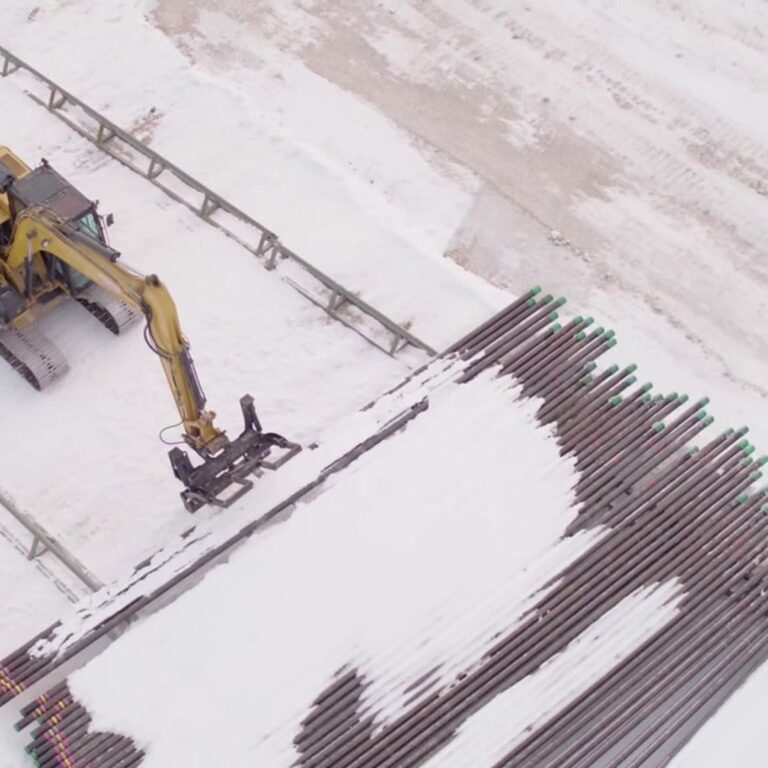
Cold changes the physics on a casing job before it changes anything else. Hydraulic fluid thickens, thread compound stiffens, and a crew’s working window shortens. None of that changes what a good connection looks like on the torque-turn graph. It changes what it takes to get there.
Compound rated for warm conditions goes stiff in the cold and stops spreading evenly across the threads. API 5A3 requires thread compound to stay brushable in cold weather, and not every compound on the truck meets it. Uneven compound shows up as make-up torque out of window and, on shouldered connections, shoulders landing off target. The fix is a compound rated for the temperature on location, stored warm until it is applied, and applied the same way on every joint. Consistency matters more in January than in July because the margin for error is smaller.
Tongs, power units, and bucking equipment run on hydraulic fluid that thickens as the temperature falls. Cold fluid means slow response, higher pressure spikes, and seals under stress. Elastomer seals stiffen in the cold too, on the tongs, on the power unit, and on every tool that depends on them, which is one more reason the warm-up happens before the first connection. Equipment gets warmed before the first make-up, not during it, and the warm-up is part of the job plan rather than something the crew improvises when the first connection feels wrong.
Hydraulic load cells lose accuracy as the temperature changes. ProTorque runs electronic load cells on its torque systems, which do not carry that error, and verifies them on a set schedule in its facilities rather than waiting for a cold job to show a problem. The graph reflects what happened to the threads, not what the weather did to the sensor.
Moisture that freezes on a pin or box before make-up becomes debris under compound. Thread protectors stay on until the joint is picked up, threads are inspected and cleaned at the point of make-up, and anything that came off the truck with ice in the threads gets cleaned before it goes in the string. This is where tubular thread cleaning and inspection earns its place on a winter program.
Cold shortens attention spans and fine motor control long before it stops work. Warm-up rotations, daylight planning, and a pre-job meeting that names who is watching for what keep the crew ahead of the conditions instead of reacting to them. A rushed connection in the cold is the one that gets pulled.
Every connection still gets a torque-turn graph. Every graph still goes in the well file. The standard for a good make-up is the same at any temperature. Cold weather readiness is about protecting that standard when the conditions are working against it.
Planning a winter casing program? ProTorque crews run cold weather programs every season with the same documentation on every connection. Contact us at the planning stage.

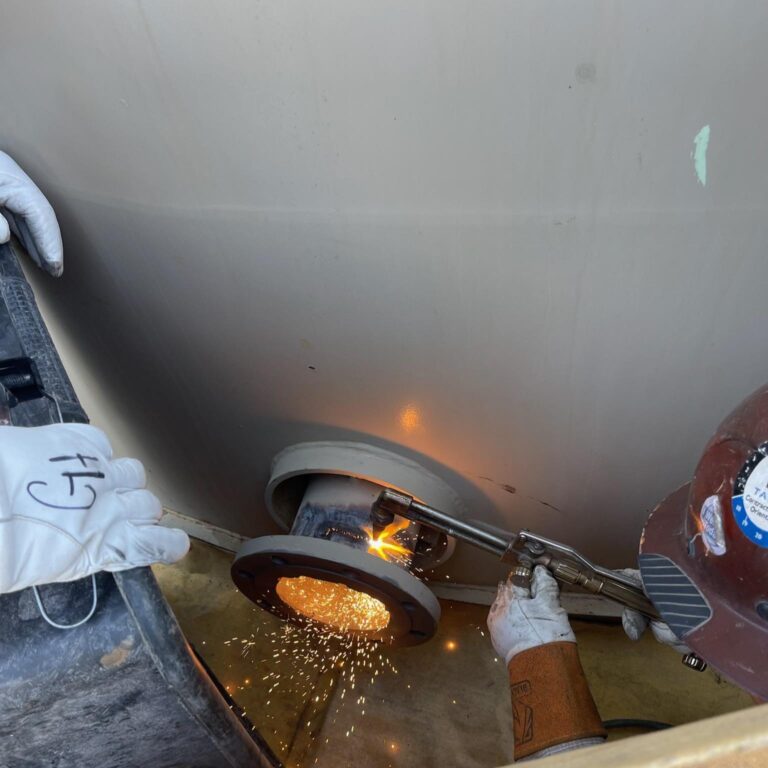
Every midstream operator knows the most expensive hour is the one where the facility is down and nobody planned for it. Unplanned downtime stops throughput, triggers emergency mobilization, and cascades into deferred commitments downstream. The work that prevents it is mechanical maintenance, and it happens long before anything breaks.
Turnarounds get the attention and the budget, but a facility runs for years between them. The pumps, the rotating equipment, the mechanical systems that move product all wear in that gap. Reliability is the sum of the small interventions that keep wear from becoming failure: servicing on schedule, catching a bearing before it seizes, replacing a seal before it leaks.
Reactive maintenance is the most expensive way to run a facility. A pump that fails in service takes the throughput with it, and the repair happens on the failure’s timeline, not yours. Preventive maintenance flips that. The work is scheduled, the part is on hand, and the facility keeps running while it happens.
The math is not subtle. A planned repair costs a fraction of an unplanned one once lost production is counted. The discipline is in doing the planned work consistently, before the equipment forces the issue.
ProTorque Midstream crews handle mechanical maintenance and repairs across produced water facilities, tank batteries, and pump systems. That includes pump service and repair, rotating equipment maintenance, mechanical repairs, and the routine servicing that keeps a facility off the unplanned-downtime list.
The goal is straightforward. Keep the facility operating, catch the problem while it is still small, and avoid the failure that stops production. Reliability is not luck and it is not a single event. It is the work done between turnarounds, consistently, by crews who know what to look for.

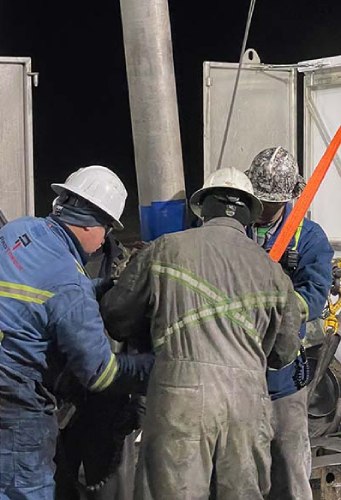
Carbon capture wells are turning into real work. Quest has been injecting north of a million tonnes a year since 2015, and more storage schemes are moving through the regulatory process behind it. For the people planning these wells, one thing is already clear. A CO2 injection well asks more of its casing string than a producer does, and it asks more of the crew that runs it.
Dry CO2 is easy on steel. Wet CO2 is not. The moment water shows up in the stream, you get carbonic acid, and carbonic acid eats carbon steel. That is why injection strings move to chrome. 13Cr, usually as L80-13Cr, is the workhorse grade for CO2 service, with higher alloys reserved for wells where chlorides, H2S or temperature push past what 13Cr handles.
Material selection for CO2 service is still a moving target, and the design work belongs to the operator’s engineers. But whatever metallurgy the design lands on, the string only performs if every connection goes together right. That part happens on location, joint by joint.
Chrome is less forgiving than carbon steel in every way that matters during make-up. The threads are harder and they gall. Once a 13Cr connection galls, you are not cleaning it up with a wire brush. The joint is damaged, and the seal it depends on may be compromised.
So the whole rhythm of the run changes. Make-up speed comes down. Thread compound gets exact, the right compound applied the right way, not whatever is in the dope bucket. Stabbing gets careful, because chrome punishes cross-threading worse than carbon steel does.
The connection itself is different too. CO2 injection strings run premium connections with machined metal-to-metal seals, qualified for gas-tight service under API RP 5C5. An API thread seals on thread compound. A premium connection seals on machined steel, and the make-up graph tells you whether it sealed. The torque-turn plot shows thread engagement, seal engagement, and a shoulder point that has to land inside a defined window. A trained eye reads that graph and knows whether the joint is good before it goes in the hole.
A producer has to hold together for the life of the well. A storage well has to hold, full stop. The regulator expects containment demonstrated from the injection zone to surface across the life of the project, and the paperwork behind that expectation is not optional. In Alberta, Directive 065 governs the storage scheme, Directive 051 covers injection well completion, logging and testing, and CSA Z741 sits behind both as the Canadian storage standard.
There is also the operating environment. CO2 injection can pull wellbore temperatures far below anything a conventional producer sees when pressure moves fast, and the string cycles through more temperature swings over its life. Marginal make-up gets found out in that kind of service.
Put those together and the torque-turn record stops being a nice-to-have. It is the only evidence that each connection was made up to specification, at controlled speed, with the shoulder where it belongs. It goes in the well file, and it may get pulled up decades from now by someone who was not born when the string went in the hole.
ProTorque has run chrome casing on carbon capture wells with computer-analyzed torque monitoring on every connection and the records handed to the operator. Crews trained for chrome handling, controlled make-up speed, and a graph on every joint.
If a CCS well is in your program, bring the tubular running conversation in at the casing design stage. The standards for this work are being set on the first wells, and the string you run is the one the record has to defend.

A connection can hit its final torque number and still be wrong.
Cross-threading, galling, over-rotation, a shoulder that never seated properly. From the rig floor, all of these can look like a completed make-up. The torque gauge reads what it should. The problem goes in the wellbore, gets cemented in place, and shows up later as a leak path nobody can reach.
This is why ProTorque’s position is that every tubular connection should be made up under computer analysis. Not the critical strings. Not the premium connections only. Every connection.
Final torque is one data point. The story of a make-up is the curve: torque plotted against turns and time, from stabbing to shoulder to final position. A healthy connection draws a recognizable shape. A damaged or misaligned one draws a different shape, even when both end at the same number.
CATM reads that curve in real time. The system tracks torque, turns, RPM, and, when applicable, shoulder data through every make-up, reviews torque against turns and time automatically, and confirms the acceptance criteria for that connection design, shoulder point included where one exists, before the connection is approved. If something is wrong, the make-up is stopped immediately, before the joint goes downhole and while the fix is still a matter of minutes.
The shape depends on the connection. A shouldered premium connection draws the full signature: thread engagement, seal engagement, and a shoulder point that has to land inside a defined window. Wedge-type premium connections make up through thread interference along the whole thread form, so there is no distinct shoulder, and the shape of the curve itself is the evidence. An API connection has no shoulder at all, and the torque and turns record is the only proof its make-up went right. Every design draws a different right answer, and reading the graph starts with knowing which one you are looking at.
One good connection proves that connection. A consistent string is the actual goal. CATM overlays each make-up against the previous joints, so drift in the pattern gets caught as it develops rather than discovered in a post-job review. Real-time dump control protects the connection during make-up, cutting hydraulic power within a few hundredths of a second of the target being reached rather than trusting reaction time.
Every connection produces a graphical report, backed by statistical analysis and job summary reports. That documentation matters twice. During the job, it is how connection issues get caught and corrected on the spot. After the job, it is the evidence file: proof of what went in the wellbore, connection by connection, that stands up when integrity questions come years later.
And those questions come without warning. A connection gives no sign it is about to leak, and there is no downhole inspection that flags a joint as failing before it does. The make-up record is the only window anyone ever gets into whether the connection went together right.
For completions, this is not paperwork. Connection integrity is what protects packer isolation, and isolation is what keeps the frac where it belongs. The record is the difference between assuming the string is sound and demonstrating it.
Running casing with a CRT does not mean giving up the analysis. ProTorque’s torque sub monitors the top drive output as it pertains to the connection, torque, RPM, and hookload, and produces the same torque versus turns and time graph a power tong CATM system delivers. While drilling, it even delivers a hookload readout. Rated for hazardous area service and sampling at rates high enough to catch what matters, it holds CRT make-ups to the same standard as conventional ones.
One standard, both methods. The connection gets verified no matter how it gets made up.
CATM is not an add-on ProTorque offers when an operator asks. It is how ProTorque makes up connections. The analysis runs on the job, the crew acts on it in real time, and the operator gets the record.
The goal is the same one behind every part of a ProTorque program: nothing enters the wellbore unverified, and there is documentation to prove it.
Explore ProTorque’s Computer Analyzed Torque Monitoring services: Power Tongs, Top Drive

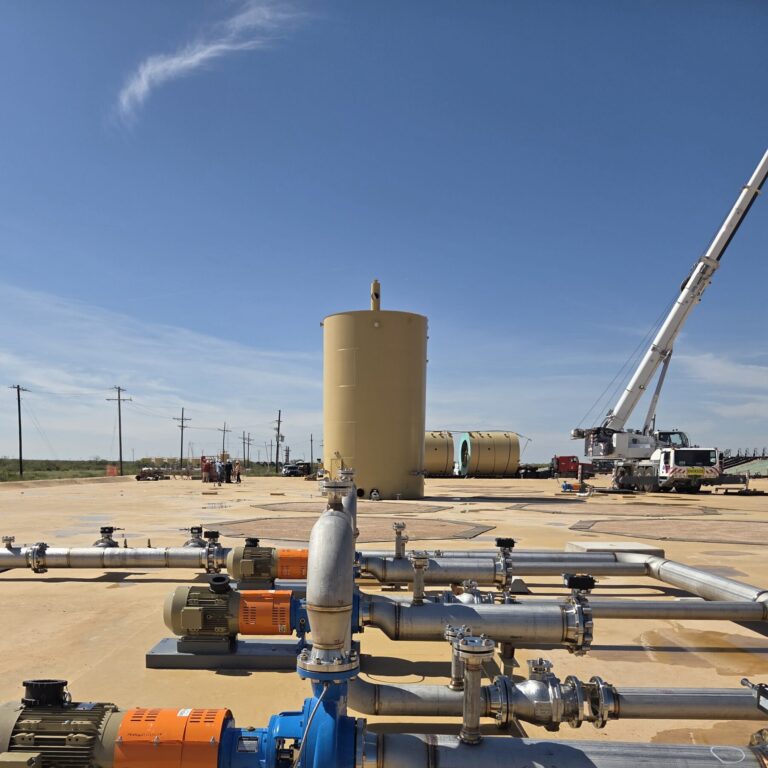
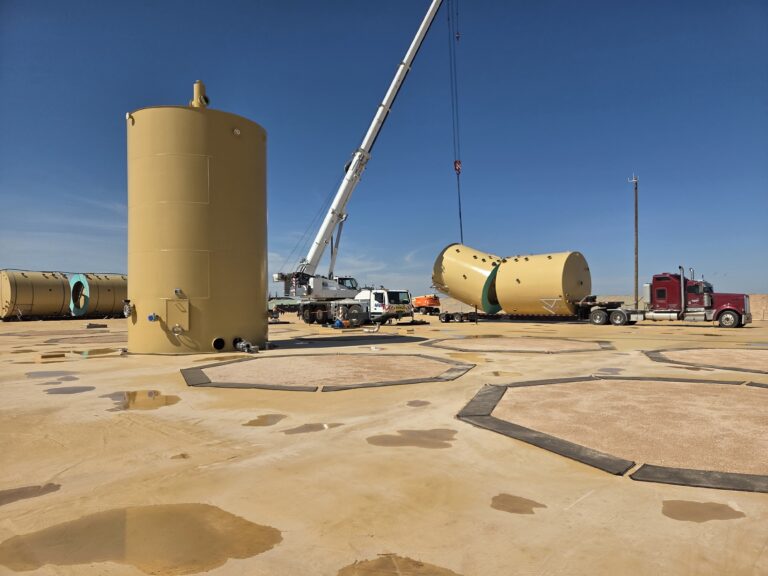
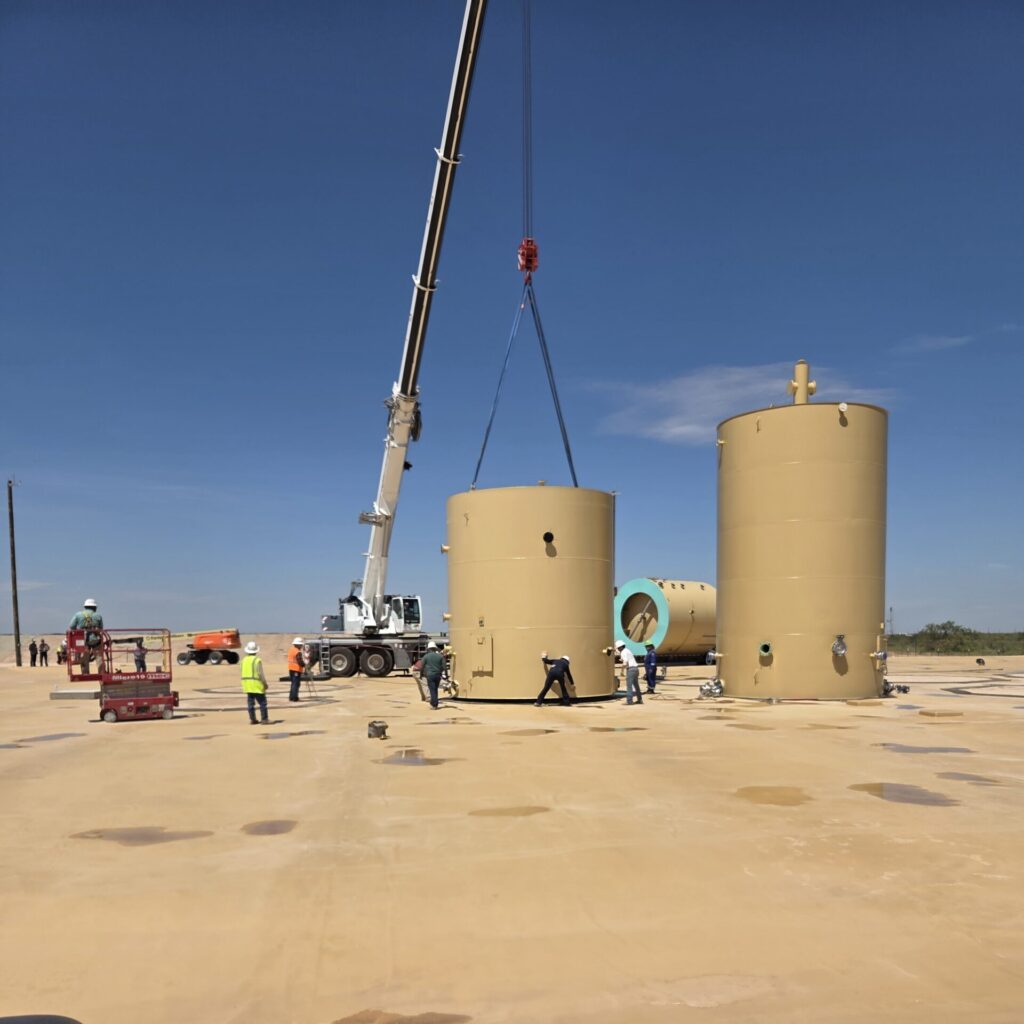
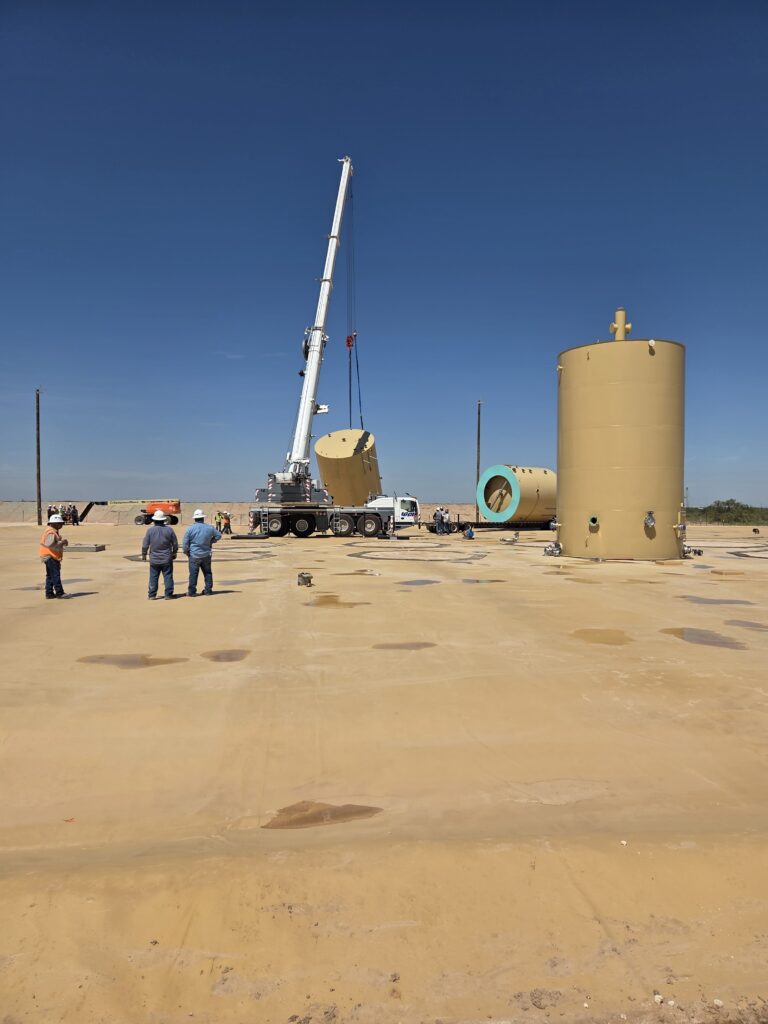
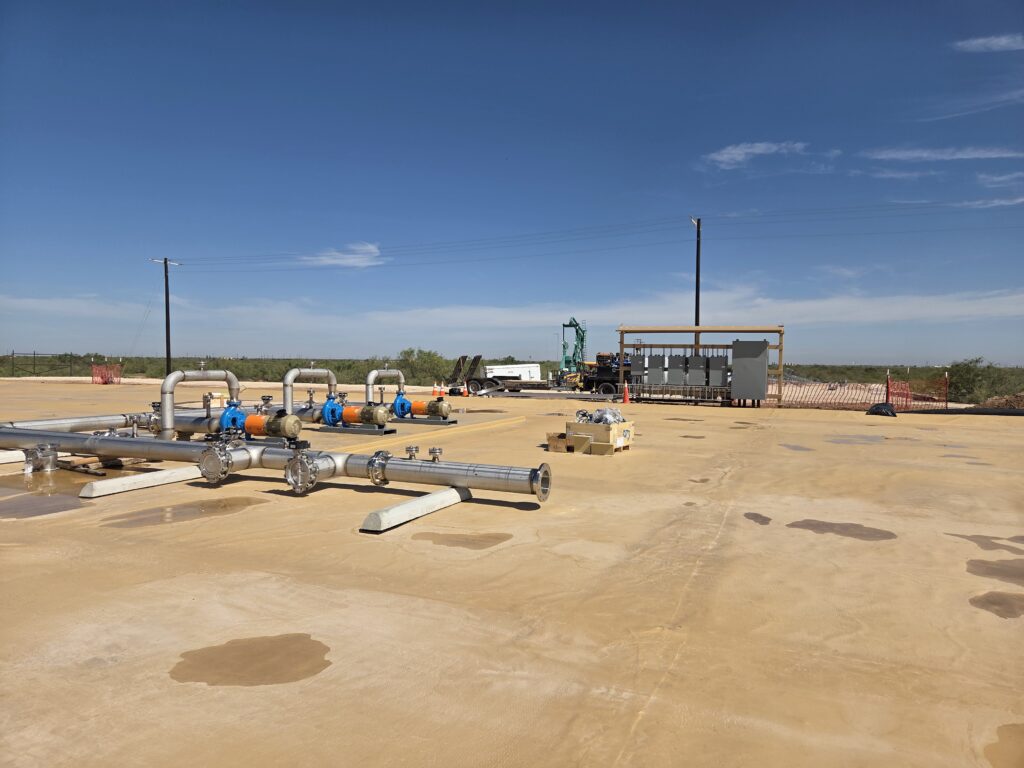
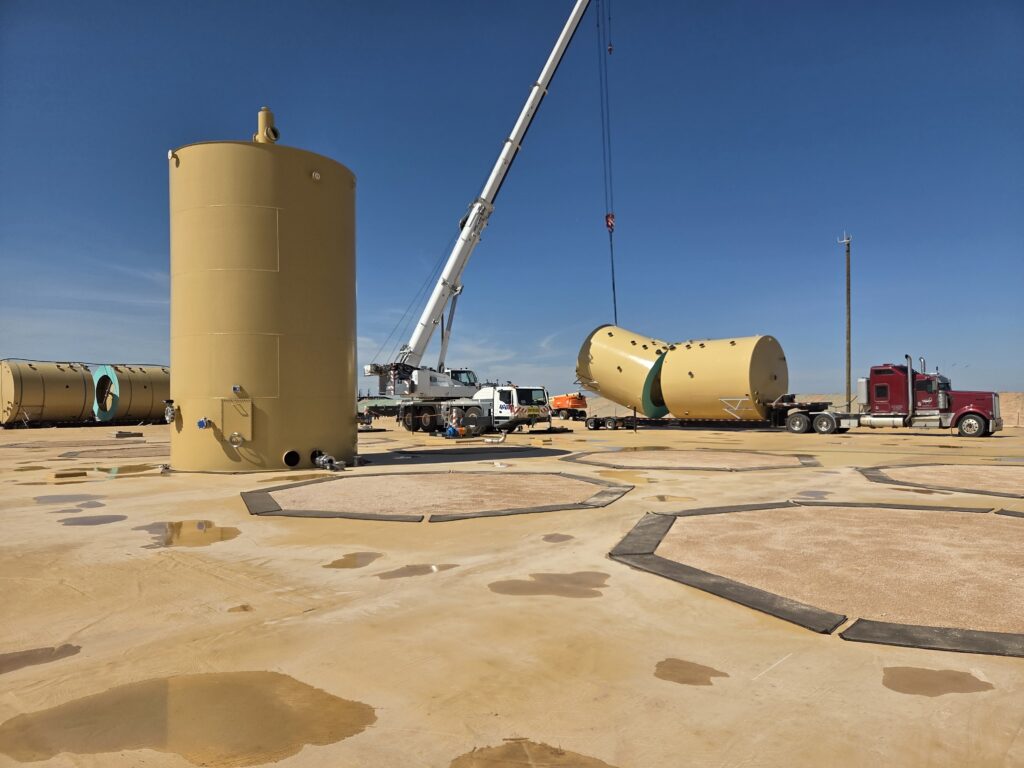
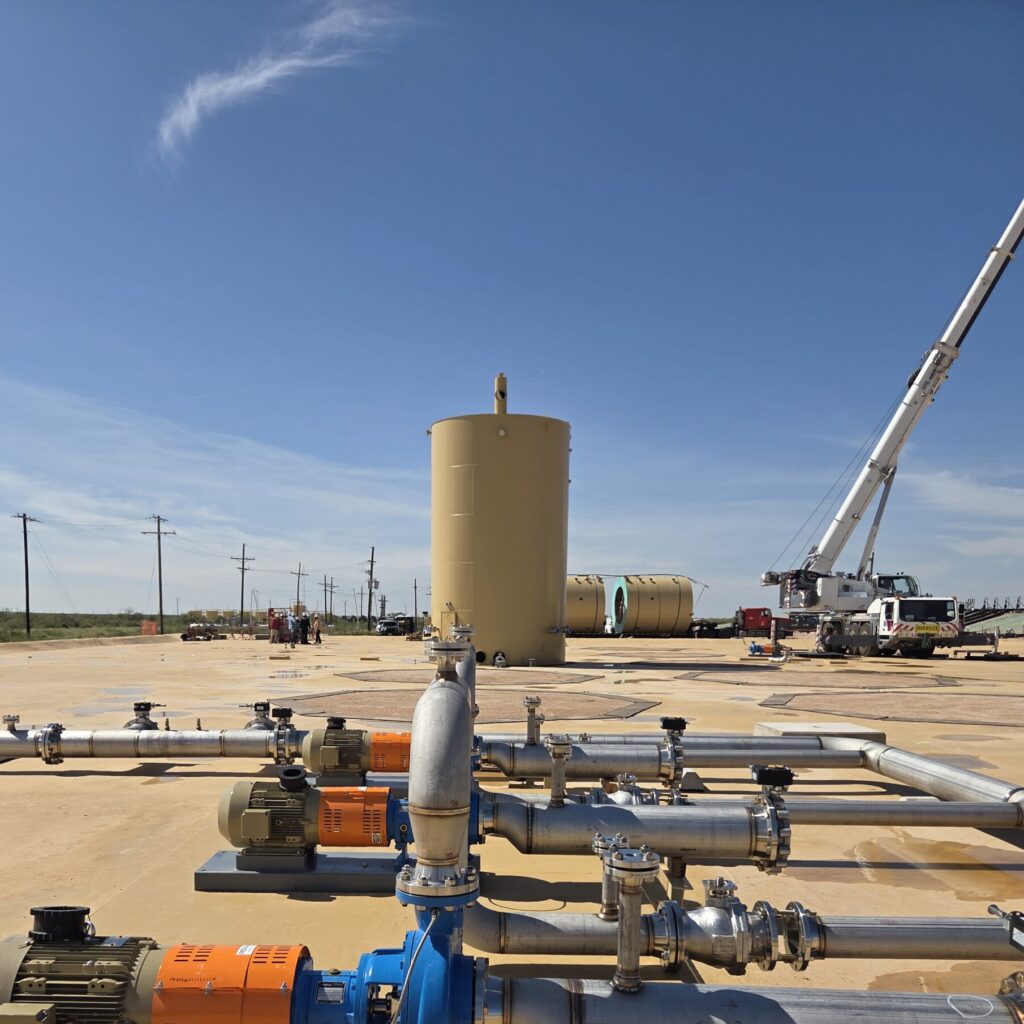
Midstream operators are expanding capacity faster than the infrastructure was built to handle. Produced water volumes are climbing, tank batteries are scaling, and existing facilities are being pushed past their original design. Meeting that demand takes more than maintenance. It takes construction.
ProTorque Midstream builds and expands the facilities that keep production moving. From new produced water facilities and tank batteries to pump systems and process infrastructure, our crews execute the full construction scope on one schedule.
The line between maintenance and construction is where a lot of midstream work stalls. A maintenance contractor keeps what exists running. A construction partner builds what comes next. Operators expanding capacity need both, and consolidating them with one team removes the gap where projects fall behind.
Facility construction spans civil and concrete, mechanical installation, piping, fabrication, and commissioning. Each is a discipline in its own right. Spreading them across separate contractors adds coordination overhead, and schedule risk.
The cost of a facility project is rarely just labor and materials. It is coordination. Five contractors mean five schedules, five safety orientations, five points of accountability, and weeks of overhead before meaningful work begins.
One team that self-performs civil, mechanical, piping, and fabrication compresses that timeline. The schedule sits with one party. Accountability is clear. When a question comes up in the field, it gets answered without a chain of subcontractor calls.
Construction quality is set long before commissioning. It is set in how the fabrication is welded, how the piping is installed, and how integrity is validated before the facility goes into service. The operators we work with hold elevated standards, and our crews are built to meet them. That is midstream construction done right: experienced people, one accountable team, and execution that holds up under real scrutiny.
If a facility build or expansion is ahead of you, bring ProTorque Midstream in at the planning stage. One team across the full scope, one schedule, one point of contact from first concrete to commissioning.

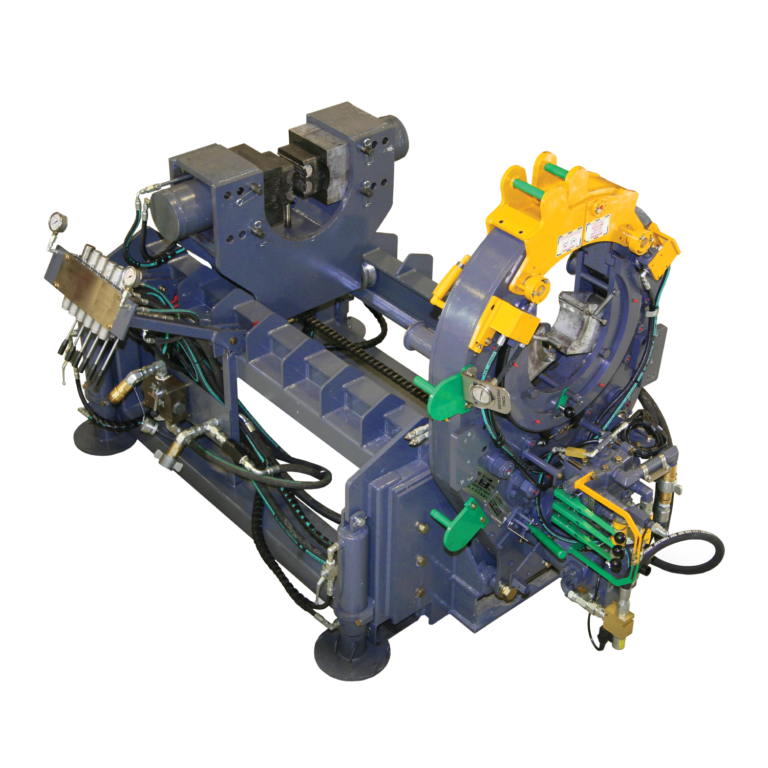
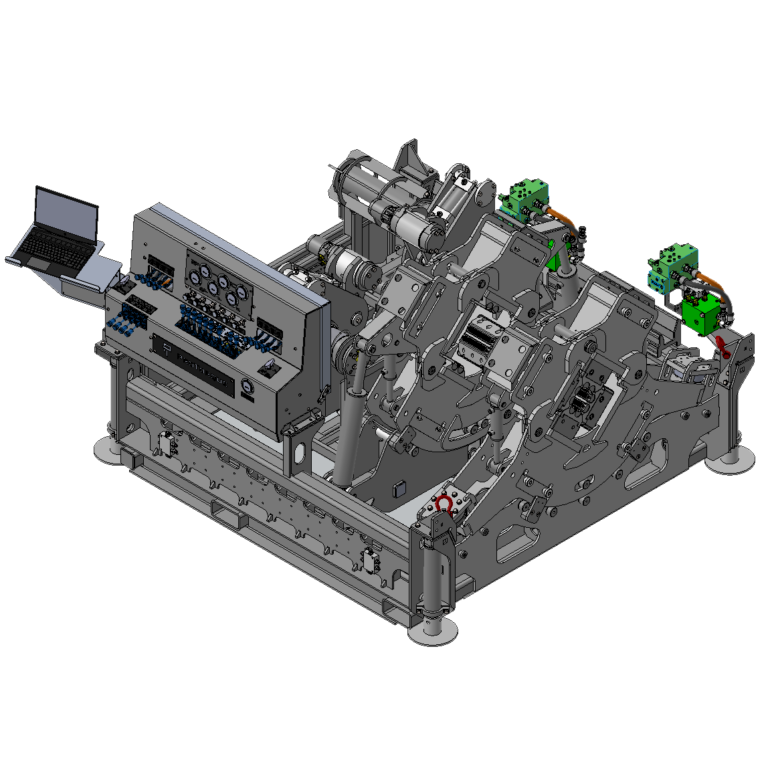
The rig floor is the most expensive place to discover a connection problem. Every make-up performed there happens on the clock, with the critical path waiting behind it, and a connection that fights back costs rig time the moment it does.
Bucking moves that work somewhere better. Connections are made up and broken out under controlled torque, off the critical path, whether that means in the shop before dispatch or on location beside the rig. The distinction that matters is not where the unit sits. It is that the rig is not waiting while the work gets done.
Bucking is the controlled make-up and break-out of threaded connections, with torque applied to spec and the work positioned where a problem costs minutes instead of rig time:
That last point matters. The value of bucking is not just that the work happens early. It is that every connection cycled through the unit carries a record.
ProTorque runs two bucking configurations, and they cover different work.
The Mobile Bucking Frame pairs with any power tong and handles the accessory scope: float equipment, pups, hangers, and threaded tools in the casing string, and frac line connections on completions work, at torques up to 50,000 ft-lb. Its compact footprint works in remote locations, and the accessory make-ups it completes are make-ups the rig floor never has to perform.
The Mobile BHA Frame brings the capability of a shop bucking unit to the wellsite in one package. A tubular spinner, hydraulic stationary backup, and torque head handle any rotary shouldered connection, on pipe from 4 1/2 to 12 inches, at up to 100,000 ft-lb. Instead of shipping individual components back and forth to a shop, the frame ships to the site and the assembly happens there, offline, off the critical path.
Some programs are best served by connections verified in the shop before anything ships. Others need the capability on location, where the well plan is still moving and the BHA gets built beside the rig. Bucking covers both. What stays constant is the controlled setting, the torque verification, and the record that follows every connection.
The safety case is direct: every make-up completed off the rig floor is one fewer exposure for the crew working on it. The schedule case is just as direct: pre-assembled accessories and stands are rig-floor operations removed from the critical path.
The published numbers make the point. Operators that moved surface casing running offline have documented savings around 11.5 hours per well and another 4.5 hours on offline cementing, and offline stand building has improved run rates by 30 percent or more in documented programs. Set that against a high-spec land rig at north of USD $1,100 an hour, before the spread behind it is counted, and the value of moving make-up off the critical path is not subtle. ProTorque’s own BHA frame has delivered single-application savings of up to 65 percent.
A connection that fails in the bucking unit gets set aside and dealt with on the spot. The same connection failing on the rig floor, or downhole, is a different order of cost.
ProTorque runs bucking as part of its tubular programs, in the shop and on location. Connections arrive at the rig floor verified, documented, and ready to run.
Made up off the critical path. Proven before the rig needs it. That is the job.
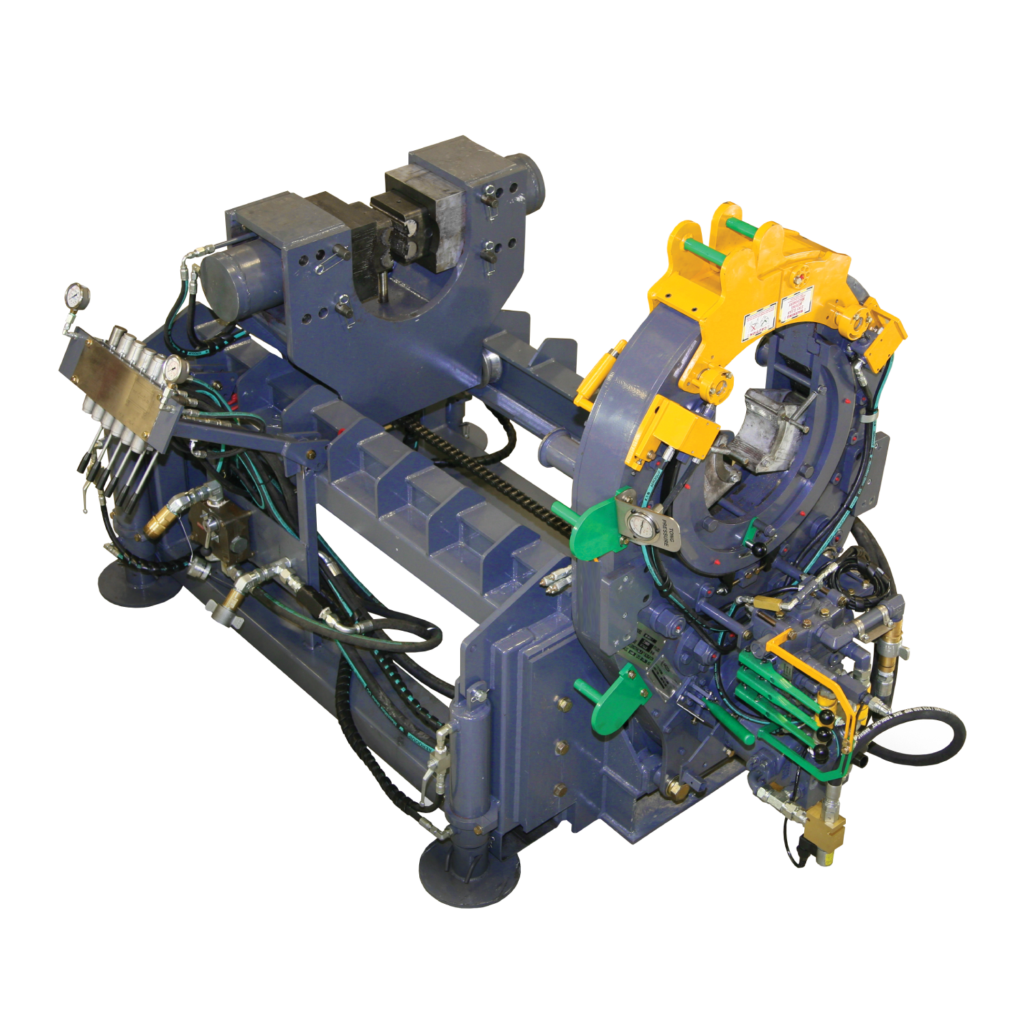
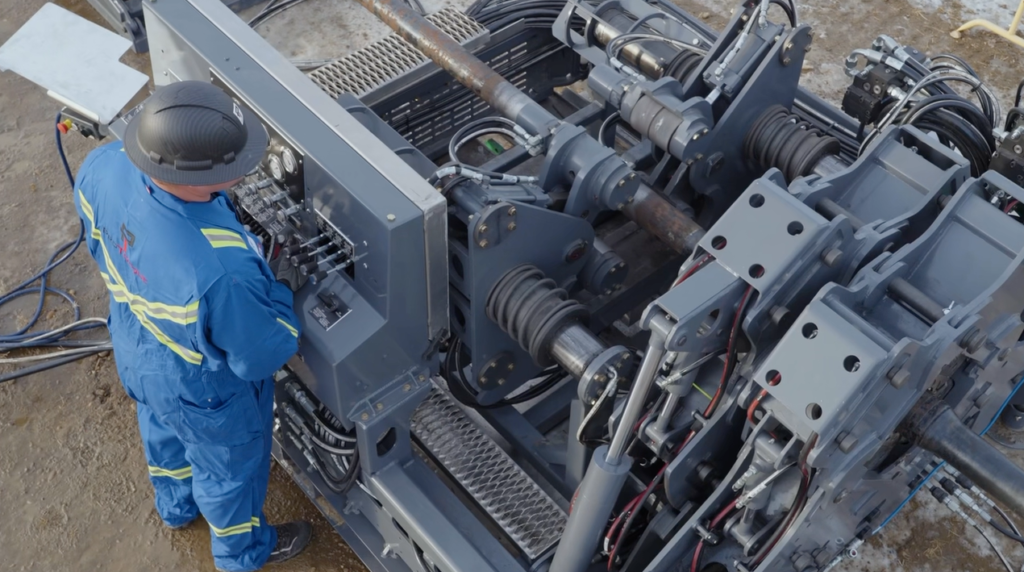
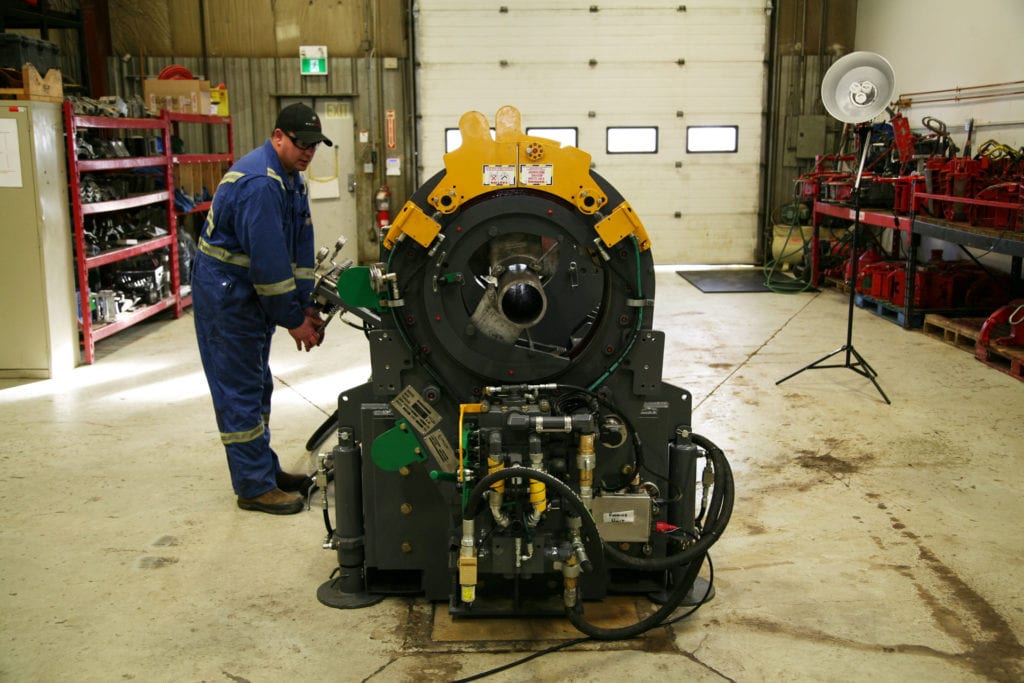
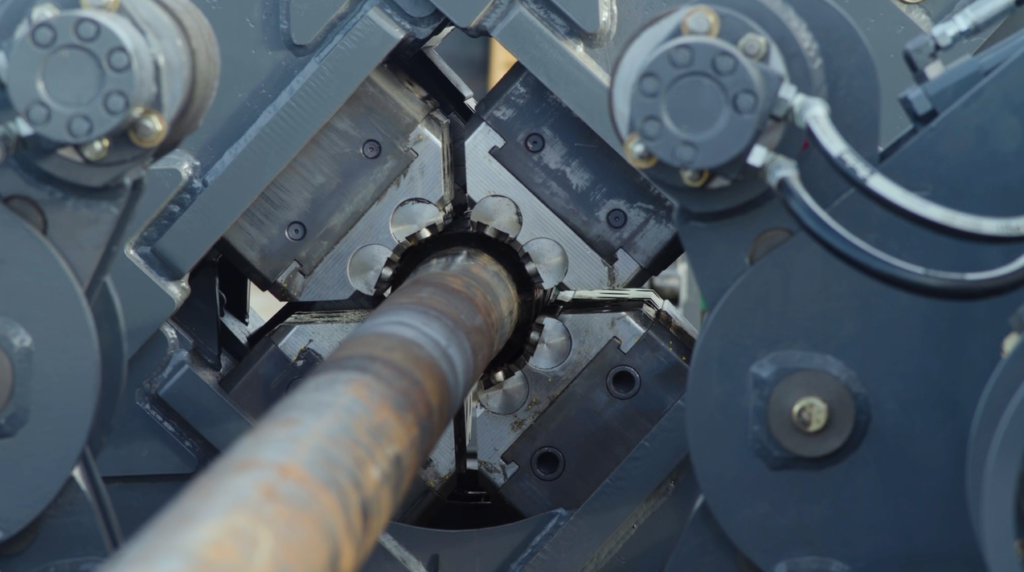

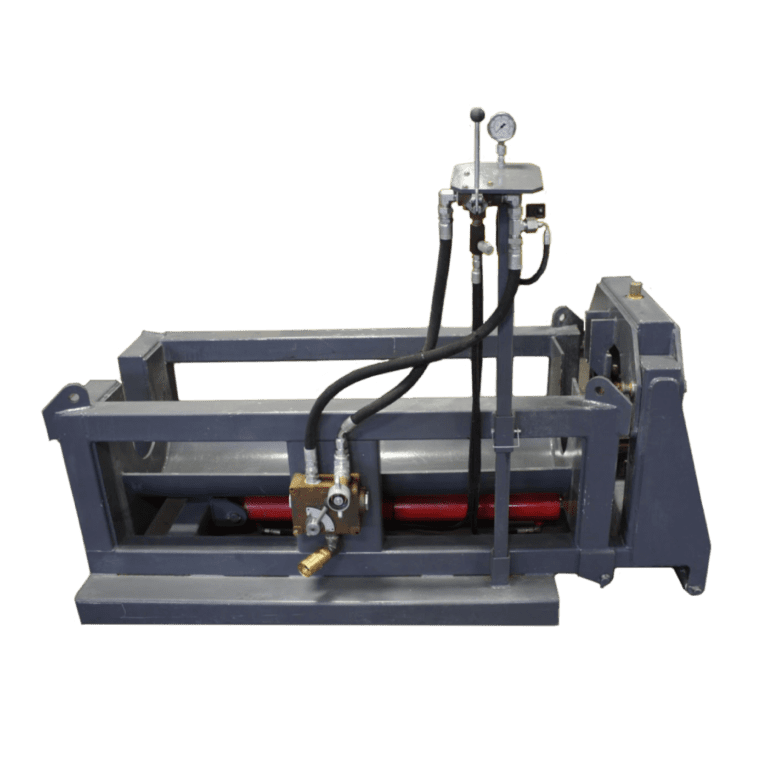
RCD installation is a normal part of many Managed Pressure Drilling programs, but how it is handled can change both risk and cost. Traditionally, installing or removing tubulars onto an RCD head happens on the rig floor. It works, but it often adds congestion, increases manual handling exposure, and creates non-productive time while the rig waits.
Taking this step off the rig floor is a simple workflow shift that can make a measurable difference. The goal is not to change the MPD process, it is to control when and where a high handling task occurs.
The rig floor is already a high consequence environment. Crews are managing multiple moving parts, multiple lifts, and tight sequencing. Adding an RCD installation step into the critical path can create pinch points and extra handling in a space that is already busy.
This is also where small delays get expensive. When an RCD install holds up the next step, the rig is effectively waiting, and that waiting time becomes MPD non-productive time that is hard to recover later in the day.
The concept is straightforward. Instead of assembling or installing the RCD head connection on the rig floor, the work is completed in a controlled setup on the ground, outside the critical path. Once the assembly is complete, it is lifted to the rig floor and run as part of the normal sequence.
Done right, the benefits show up quickly:
The RCD Press is designed specifically for this workflow, installing or removing a tubular onto an RCD head offline, instead of completing that step on the rig floor.
If you want the overview of the system and where it fits, you can see it here: RCD Installation
Most teams think about time savings as a single number, but on an MPD job it shows up in a few predictable places:
Even when the delay is not dramatic, the compounding effect across a program is real. That is why getting RCD installation off the critical path is valuable. It protects the schedule when the job is moving fast and it protects the crew when the floor is busy.
The value of offline installation is not limited to one environment. Onshore, it often comes down to keeping the rig moving and reducing high handling moments in the critical path. Offshore, it can be even more important because space, lift planning, and risk tolerance are tighter.
The core idea stays the same. Reduce rig floor exposure. Reduce unnecessary time in the critical path. Keep the MPD workflow clean.
This is where field execution matters. The concept only works if it is applied consistently.
ProTorque supports RCD installation workflows by planning the sequence with the rig team and MPD stakeholders, staging the setup so it does not interfere with operations, and ensuring the assembly is ready before it becomes the next constraint. The goal is to make the install step predictable.
If you are running MPD and want to reduce rig floor handling risk while cutting MPD non-productive time, moving RCD installation offline is one of the simplest workflow upgrades you can make. Contact ProTorque today to see how we can help.
It means completing the tubular to RCD head installation or removal in a controlled setup off the rig floor, then lifting the assembly into the rig sequence when it is ready.
It can, because a step that would normally occur in the critical path is completed ahead of time, reducing waiting and congestion when the rig is ready to move.
The workflow applies wherever RCD installation is required and where reducing rig floor handling and idle time is valuable, including both onshore and offshore MPD programmes.
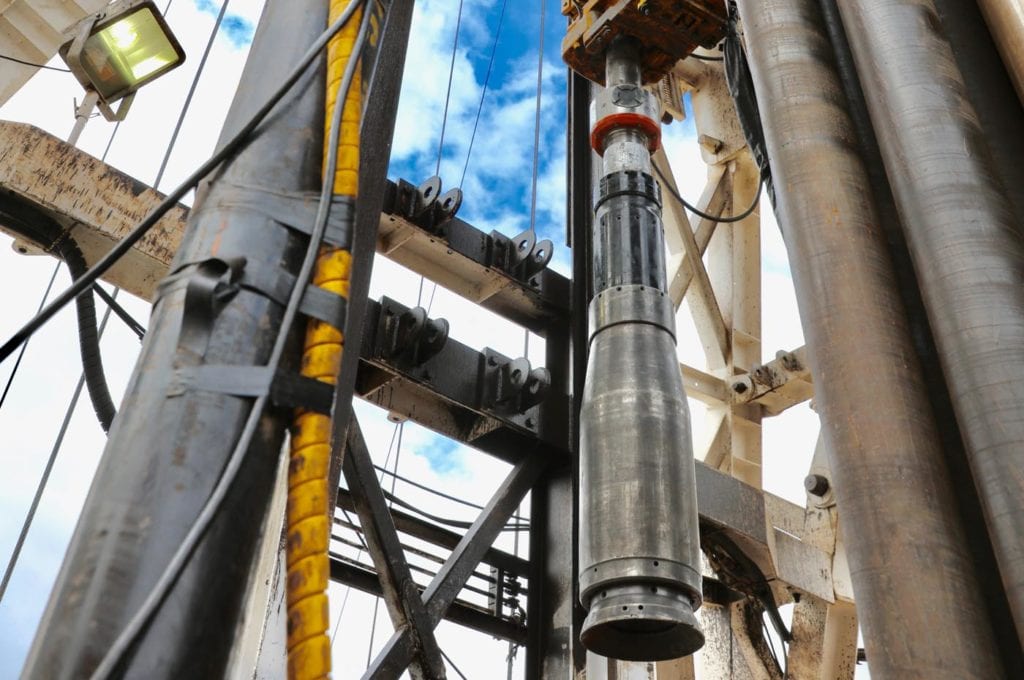


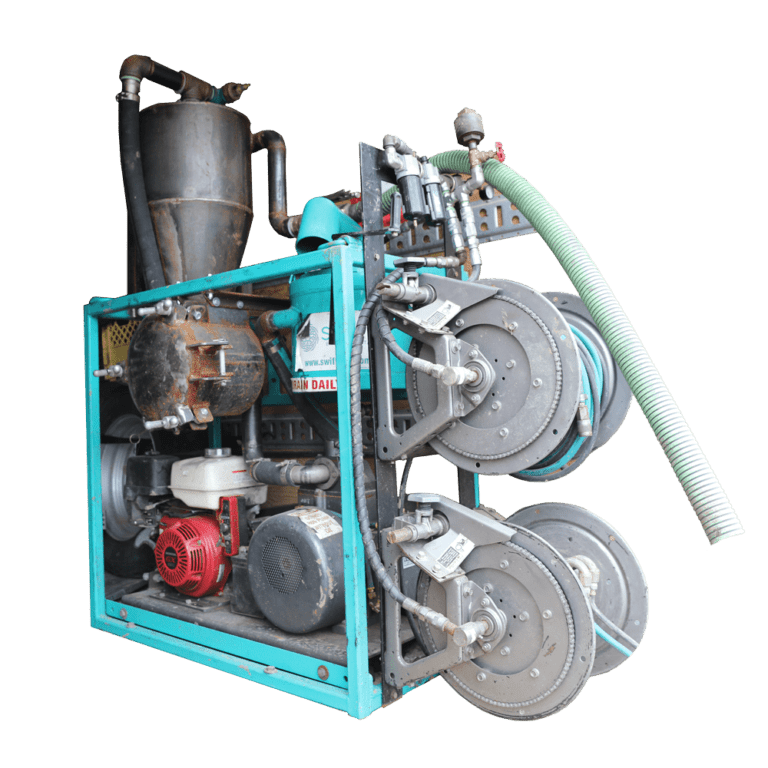
Vacuum drifting is a safer way to confirm casing inside diameter (ID) before running. Instead of conventional snake-and-drift handling, the drift is moved through the tubular using controlled vacuum force. The result is the same verification step crews rely on, with less manual handling exposure and less operating noise on location.
Every casing program depends on one basic truth: the tubular has to pass what needs to pass. Drift confirmation is a simple step with outsized consequences, because the cost of finding an ID issue late is never small. It can mean delays, extra handling, and a lot of attention on the wrong part of the job.
That is why drifting exists. It is not a box to check. It is risk management.
The challenge is that conventional drifting can create its own exposure. Traditional snake-and-drift methods introduce pinch points, awkward body positioning, and a lot of manual interaction around tubular ends. It is one of those tasks that can feel routine until something catches, binds, or shifts.
ProTorque’s approach to vacuum drifting starts with a straightforward goal: reduce manual handling exposure during casing preparation while keeping the casing ID verification step intact.
With vacuum drifting, the drift is moved through the tubular using controlled vacuum rather than manual pull-through methods. Crews still confirm casing ID and identify deformities, but the process is designed to reduce the amount of handling required and reduce the conditions where minor issues become incidents.
It is a practical shift. The work still gets done, but in a way that supports safer execution and more consistent results.
Noise is often treated like a background problem on location, but it is a real operational factor. Communication and focus degrade as noise rises, especially during routine work where people are moving around the same area repeatedly.
The ProTorque Vacuum Drift System is designed to reduce operating noise by using a vane pump instead of a blower, and it can generate up to 27 Hg of vacuum force. That detail matters because it signals the system is engineered for measurable performance, not just convenience.
Casing preparation does not always happen in the most convenient place. Space, access, and workflow vary. The vacuum drift unit is designed to be mobile and usable where the work is actually happening, including longer hose runs and areas that are harder to stage.
That mobility is more than a convenience. When a tool is easy to deploy, it is more likely to be used consistently. Consistency is where safety and reliability improve.
Any drifting method has to deal with the reality that a drift can lodge in the tubular. The vacuum drift system includes an adjustable reverse function to help push the drift back if it becomes lodged.
This kind of detail prevents a routine step from turning into downtime. It also reflects a tool designed around field conditions, not perfect conditions.
For drilling supervisors and TRS managers, a few specs quickly tell you whether a system fits your program. ProTorque’s Vacuum Drift System is designed to support a wide drift range, with controlled vacuum adjustment.
Key specifications include:
Vacuum drifting is most effective when it is treated as part of a clean, repeatable casing preparation process, not a standalone task.
In practice, drifting pairs naturally with casing cleaning and inspection work. When those steps are coordinated, casing is confirmed before it is staged for running, and crews reduce the chances of late-stage surprises on live operations.
The value proposition is not flashy. It is practical.
Vacuum drifting supports leadership teams by reducing manual handling exposure during a routine step, improving consistency in casing ID confirmation, and maintaining clearer communication on location by reducing unnecessary noise. It also keeps the process moving by designing for real-world hang-ups instead of assuming ideal conditions.
It is one more example of a simple, engineered improvement that makes field work safer without slowing the job down.
ProTorque supports vacuum drifting as part of its TRS service delivery across Canada and the US

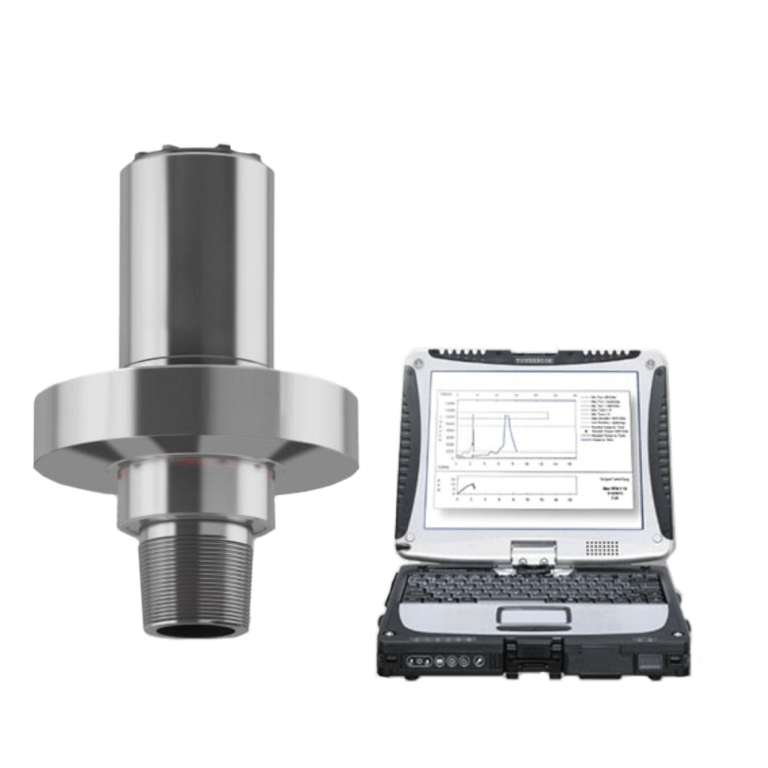
On a modern rig, decisions happen fast. Crews make calls based on numbers they trust: torque values, hook load, and iron roughneck torque, at the driller’s console.
The problem is simple. Sensors and systems can drift over time. Components wear. Calibration can change after repairs. Software updates and configuration changes can introduce small offsets that turn into big issues once variables stack up.
Most of the time, the rig still runs. That is what makes drift dangerous. It does not always cause an obvious failure. It quietly changes the relationship between what the rig thinks is happening and what is actually happening.
Verification brings everything back to reality.
The impacts show up first where execution matters.
This work is rig equipment verification focused on the measurements that drive high-consequence decisions.
Top Drive Torque Verification
We confirm that displayed torque matches measured torque and document a baseline your team can trust. When you pair accurate readings with digital monitoring like CATM, the output becomes much more valuable because your graphs and reports are built on good data.
Iron Roughneck Torque Testing
Iron roughnecks do high-consequence work every day. Iron roughneck torque testing confirms the unit is delivering what it reports, in both make-up and break-out contexts, so connection outcomes stay consistent.
Hook Load Verification
Hook load accuracy matters for safe lifting, drilling consistency, and data confidence. Hook load verification confirms that what you see on the system reflects the real load on the travelling assembly.
Verification should be practical and fast. The goal is not to create paperwork. The goal is to confirm the rig is telling the truth.
Typically, it looks like a short pre-job review of recent maintenance and current readings, followed by field setup and measurement, then a comparison to displayed values and a documented summary. If an offset is found, that is still a win. You now have facts, and a clear path to correction.
Verification is most valuable when it prevents problems, not when it reacts to them.
Most operators schedule it after major maintenance, before high-consequence casing or completions work, when behaviour on the floor no longer matches what the screens are reporting, or after long periods of rig inactivity. For operators running multiple rigs, consistent verification also supports standardization across fleets, which improves drilling reliability when crews and equipment rotate.
This is not a paperwork exercise. It is a safety and reliability control that protects connections, reduces preventable or hidden downtime, and improves confidence in the numbers used for drilling decisions.
Accurate torque and load readings help teams move faster with fewer surprises, and they reduce the chance of chasing phantom issues that are really measurement problems.
ProTorque supports verification programs across Western Canada, offshore Newfoundland, and the U.S.. The fundamentals are the same whether you are drilling a single well, running a multi-well pad, or performing a reclaim on a slot in a gravity based structure. Accurate inputs create better execution and better outcomes.
If you want to confirm your top drive torque, iron roughneck output, and hook load accuracy before your next program, ProTorque can help you establish a baseline your team can trust.
Start here:
How long does verification take?
It depends on rig access and scope, but it is designed to be efficient and focused on actionable results.
Is verification the same as calibration?
Verification confirms accuracy. Calibration is the adjustment step if accuracy is outside an acceptable range.
How often should we verify?
A good baseline is after major maintenance and before high-consequence programs, then on a planned preventative maintenance schedule.